Desert Festival DJ Crates for Sale: The 2026 Burning Man Sunrise-to-Sunset Download Guide
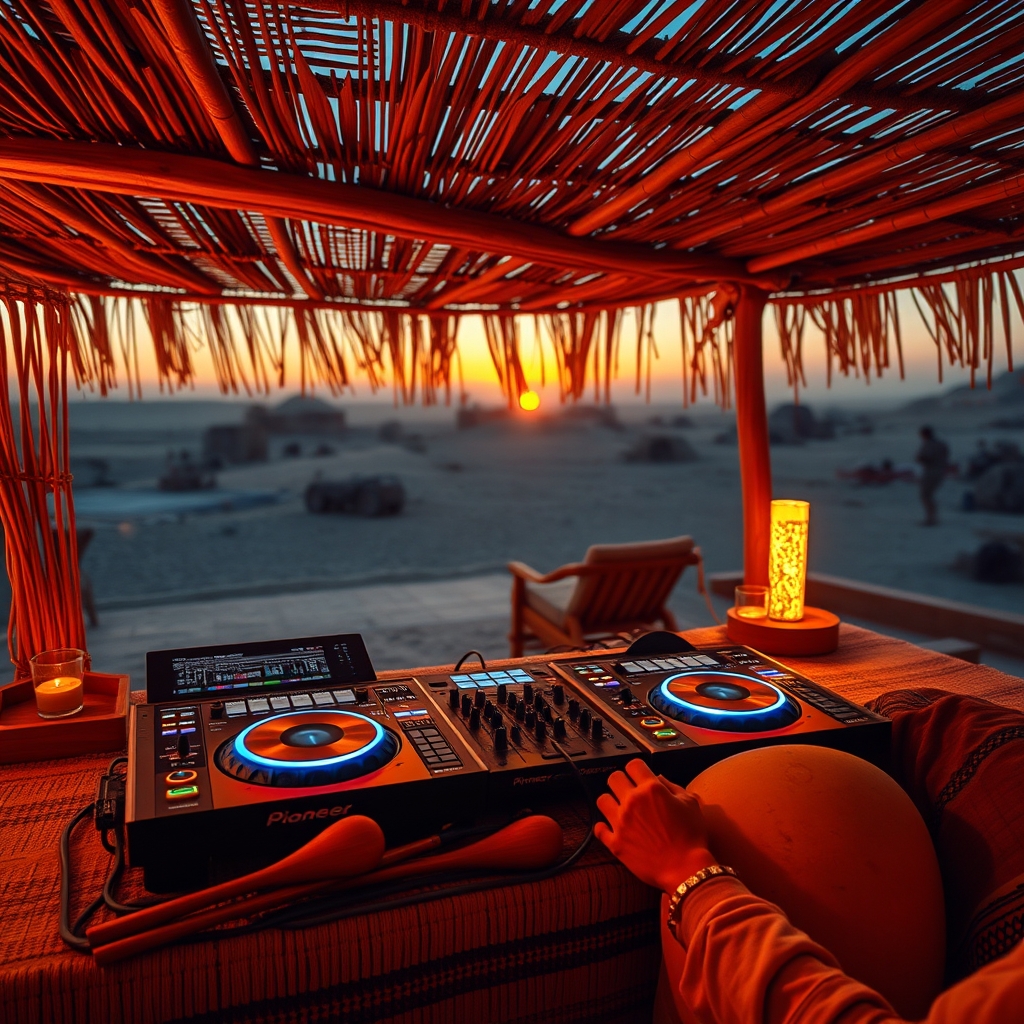
Black Rock City opens next week. Burning Man 2026 runs from August 30 through September 7, and if you're playing a sound camp, an art car, or your own generator rig out on the playa, you already know the set structure is nothing like a club night. No promoter booking, no scheduled changeover, no wifi. Just you, a controller, and whatever's on your drive. That's exactly why smart DJs are stocking up on DJ crates for sale right now instead of hoping Spotify's offline cache survives a dust storm.
This guide is about building a real playa arc — golden hour into deep night into sunrise — using tracks you actually own.
What Actually Gets Played at Burning Man in 2026
Ask anyone who's ridden Robot Heart or Mayan Warrior at sunrise: the sound of the playa has always leaned toward organic, tribal, hypnotic. Beatport's organic house and downtempo charts this year are dominated by tracks sitting in the 118–126 BPM window with acoustic textures, tribal percussion, and long, patient builds — the exact sonic profile that works when your dancefloor is sand and your ceiling is stars. Mayan Warrior itself is stepping back from the art car this year to run a dedicated music camp, which tells you where the scene's head is at: curated, intentional sets, not just loud noise for loud noise's sake.
Techno and tech house still own the peak-hour slots at the bigger sound camps, but the golden-hour and sunrise slots — the ones people actually remember — belong to organic house, downtempo, and Afro House.
Building the Arc: Sunset to Sunrise
A playa set lives or dies on pacing. You're not chasing a drop every four bars — you're building an hours-long journey. Here's the structure working DJs are using this year:
- Golden hour (sunset, ~100–115 BPM): Open with warm, organic textures. Acoustic guitars, hand percussion, soft vocal chops. This is where a crate like Top organic/downtempo 2026 vol : 1 earns its place — it's built for exactly this window.
- First peak (115–122 BPM): Bring in tribal rhythm and Afro House groove without going full peak-time. Afro-House Vol:5 and TOP AFRO HOUSE VOL 7 both sit comfortably here — deep, percussive, built for open-air rigs rather than sealed club boxes.
- Deep night (122–128 BPM): This is where tech house takes over on most art cars. TOP TECH HOUSE 2026 VOL :1 gives you the rolling, groove-forward cuts that keep a dust-covered crowd moving at 3am without exhausting them.
- Sunrise closer (drop back to 100–112 BPM): Come back down. Strip the energy, lean on melody and space. Pull from Top Organic/Downtempo 2025 to land the set the way the best sunrise sets always do — quiet, not loud.
That arc is the difference between a set people forget by breakfast and one people are still talking about at the temple burn.
Why WAV Downloads Beat Streaming on the Playa
This one's practical, not aesthetic. Black Rock City has no reliable signal. Camps run on generators, dust gets into everything, and your laptop battery is precious. A few reasons owned WAV downloads are the only sane option out there:
- No connectivity dependency. Streaming apps cache badly and fail worse. A drive full of WAV files works the same in a dust storm as it does at home.
- Full control over intro/outro edits. Playa sets demand long, patient transitions — you need clean intros and extended outros for beatmatching in Rekordbox, Serato, or Virtual DJ without fighting a track that cuts off mid-phrase.
- Consistent quality on big rigs. Sound camps run serious systems — BassBoss rigs and QSC stacks are standard now. Compressed streaming audio falls apart on rigs built to move that much air. WAV doesn't.
- Acapella outs for live blends. If you're trading off with another DJ or a live percussionist on an art car, having isolated acapella outs in your crate lets you build something in the moment instead of just playing records back to back.
None of that works if your set is locked behind an app that needs bars of signal you won't have.
What to Load Before You Leave
If you're prepping a bag or a drive for the desert, don't wing it. Here's the short checklist:
- Download everything before you go — don't rely on hotel wifi the night before, playa dust doesn't care about your deadline.
- Tag your Camelot keys and BPMs ahead of time so you're not hunting through folders at 4am with a headlamp.
- Build separate folders for each arc stage — sunset, peak, sunrise — so you're not scrolling a 10-hour crate mid-set.
- Bring redundancy. Two drives, not one. Dust kills USB ports.
- Grab a bundle, not a single crate, if you're playing a long set — you'll burn through a single volume faster than you think out there.
If you want the shortcut version of that last point, browse the full crate library and pull two or three volumes that cover your whole arc rather than piecing it together track by track.
The Product Point
Burning Man doesn't care about your Spotify Wrapped. It cares about whether your set holds a crowd for six hours with no signal, no do-overs, and sand in every cable. That's a drag, drop, and play problem, and it's the exact problem TOP DJ CRATES exists to solve — handpicked, DJ-ready WAV files, organized by genre and BPM, so you spend your prep time building the arc instead of hunting for clean downloads the night before you leave for the playa.
Load the crates, tag the keys, and go build something people remember at sunrise.