Drift Phonk DJ Crates for Sale: The 2026 Guide to Mixing Dance Music's Fastest-Rising Genre
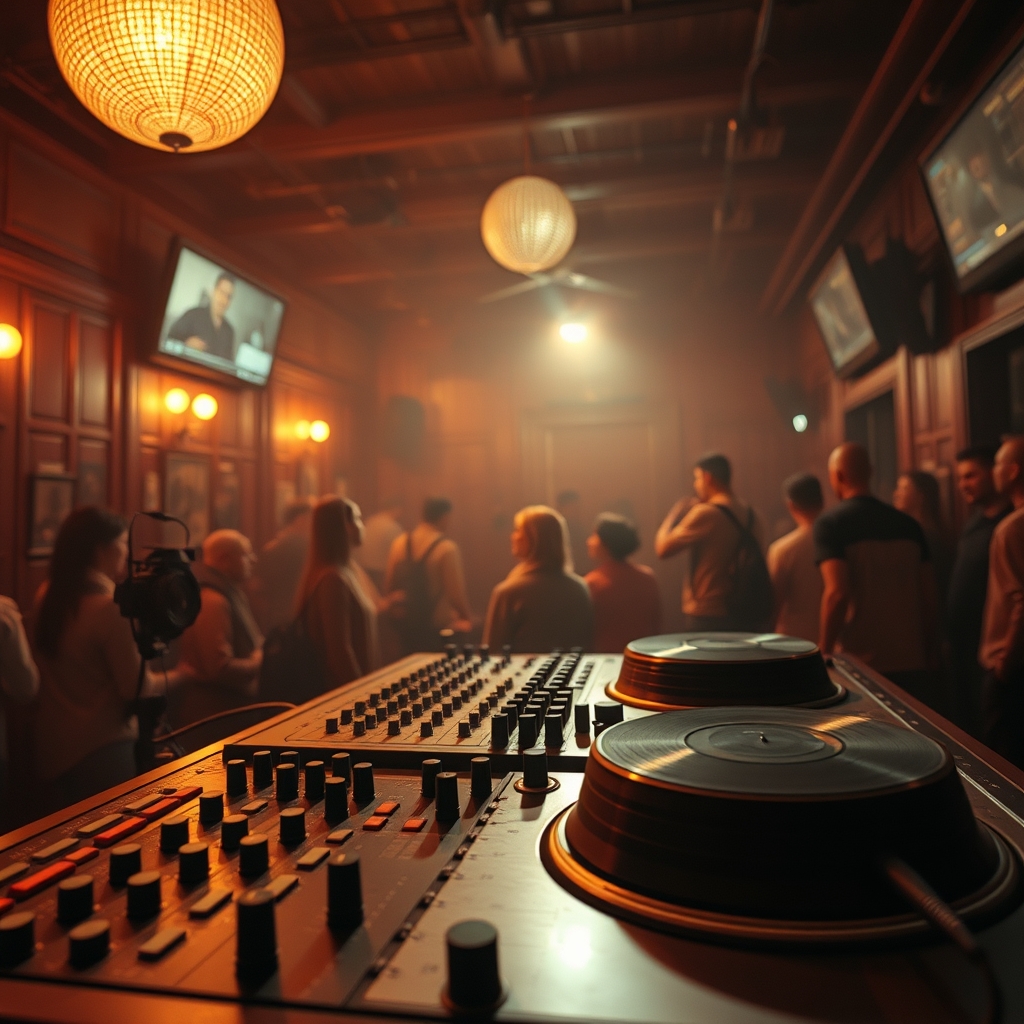
Two years ago, drift phonk lived on car-edit TikToks and YouTube Shorts. Now it's sitting next to UK garage, afro house, and melodic techno on industry lists of 2026's fastest-growing electronic sounds. Spotify's official phonk playlist has gone from roughly 40,000 followers to over 11 million. That's not a meme anymore. That's a genre your crowd is already humming before you drop it.
If you've been ignoring phonk because it sounds like a novelty, it's time to reconsider. Requests are coming in. The question isn't whether to touch it — it's how to mix a 160 BPM cowbell-driven track into a set built around 124–128 BPM house and not derail your whole night.
What Is Drift Phonk, and Why Is It on Every Lineup Now?
Phonk traces back to chopped-and-screwed Memphis rap from the '90s — pitched vocals, dusty samples, horror-movie atmosphere. Drift phonk is the modern, club-ready mutation: cleaner mixes, saturated 808s, a signature plucked cowbell, and tempos pushed up to 150-160 BPM to match the street-racing and drift-edit videos that made it go viral. A lot of the breakout producers come out of Russian and Eastern European internet culture, which is why the sound pairs so naturally with high-energy remix content already built around that scene.
The appeal for DJs is simple: it's aggressive, instantly recognizable, and it hits different on a big rig. The problem is just as simple: at 160 BPM, it doesn't sit next to your tech house or amapiano set without a plan.
How Do You Mix 160 BPM Phonk Into a House or Open-Format Set?
You don't force a straight blend between a 124 BPM afro house groove and a 160 BPM phonk banger. You bridge it. Here's the move that actually works on a real dance floor:
- Isolate the drop, not the whole track. Most drift phonk tracks have a short, brutal 16-32 bar peak. Loop or hot-cue that section instead of playing the full arrangement.
- Use a half-time trick. Treat 160 BPM phonk as double-time against an 80 BPM foundation. If you're coming out of hip hop or trap-adjacent material, this lets you keep a steady pulse while the energy on top doubles.
- Drop it as a transition weapon, not a destination. Phonk works best as a 30-60 second jolt — a tempo spike that resets the room — then you pull back into your main groove.
- Lean on acapella-free, instrumental edits so you control exactly where the vocal chops land against your next track's intro.
- Keep a dedicated hot cue bank in Rekordbox or Serato just for phonk stabs and cowbell hits. Treat them like FX, not full tracks.
If you're building out this kind of transition-heavy toolkit, TOP DJ TRANSITIONS 2026 is built exactly for this job — short, punchy, BPM-tagged blends designed to bridge tempo gaps like this one without killing your momentum.
Where Does Phonk Actually Fit in Your Crate?
Here's the part most DJs get wrong: they treat phonk as an isolated genre folder and never use it. Don't. File it where it actually functions in a set.
- As a hip hop bridge. Because phonk's DNA is Memphis rap, it blends naturally out of hard-hitting hip hop and R&B records. Top R&B /Hip Hop and Top R&B /Hip Hop # 2 are the right neighbors in your crate structure — dark, bass-heavy, vocal-forward records that set up a phonk spike without a jarring genre jump.
- As a Russian/Eastern European remix pocket. Given phonk's roots and audience overlap, TOP RUSSIAN REMIXES 2026 sits in the same lane sonically and culturally — useful if you're playing diaspora events or club nights where that crowd already knows the sound.
- As a peak-time weapon. If you need maximum aggression for a drop moment, DANCEFLOOR WEAPONS gives you the same kind of blunt-force energy phonk brings, so you can alternate between the two without the set feeling one-note.
- As a mashup tool. Top Electro house & Mashups 2025 is where you'll find the kind of hybrid, high-BPM edits that already borrow phonk's attitude — a good sandbox if you want to test the sound before committing a whole segment to it.
We don't currently stock a dedicated drift phonk crate — we're not going to pretend otherwise. But every crate above gets you closer to the sound without forcing a genre your catalogue doesn't actually carry. If you want to browse everything in one place, browse the full crate library and build your own phonk-adjacent folder from records you already trust.
Should You Actually Play Drift Phonk in a Club Set?
Depends on your room. A wedding reception or a mainstream open-format gig probably isn't the place — not yet. But if you're playing a younger crowd, a car-culture event, a festival side stage, or anywhere TikTok trends translate directly into floor reactions, phonk is no longer optional. It's requested material. The DJs ignoring it are the ones getting the "do you have anything like Kordhell?" question and fumbling the answer.
The Real Takeaway for Your Crate
Trends move fast. Phonk went from meme to Spotify top-10 playlist territory in under two years, and the next genre spike will move just as quickly. What doesn't change is the fundamentals: you need clean, correctly tagged, DJ-ready WAV files you can drop into Rekordbox or Serato without re-editing on the fly. BPM-matched. Key-tagged where it matters. Intro and outro edits that actually mix.
That's the whole point of building your crate from curated packs instead of scraping random YouTube rips. Drag, drop, and play — whether it's a 124 BPM afro house groove or a 160 BPM phonk spike built to wake the room back up.