Indie Dance DJ Crates for Sale: The 2026 Indie Sleaze Revival Download Guide
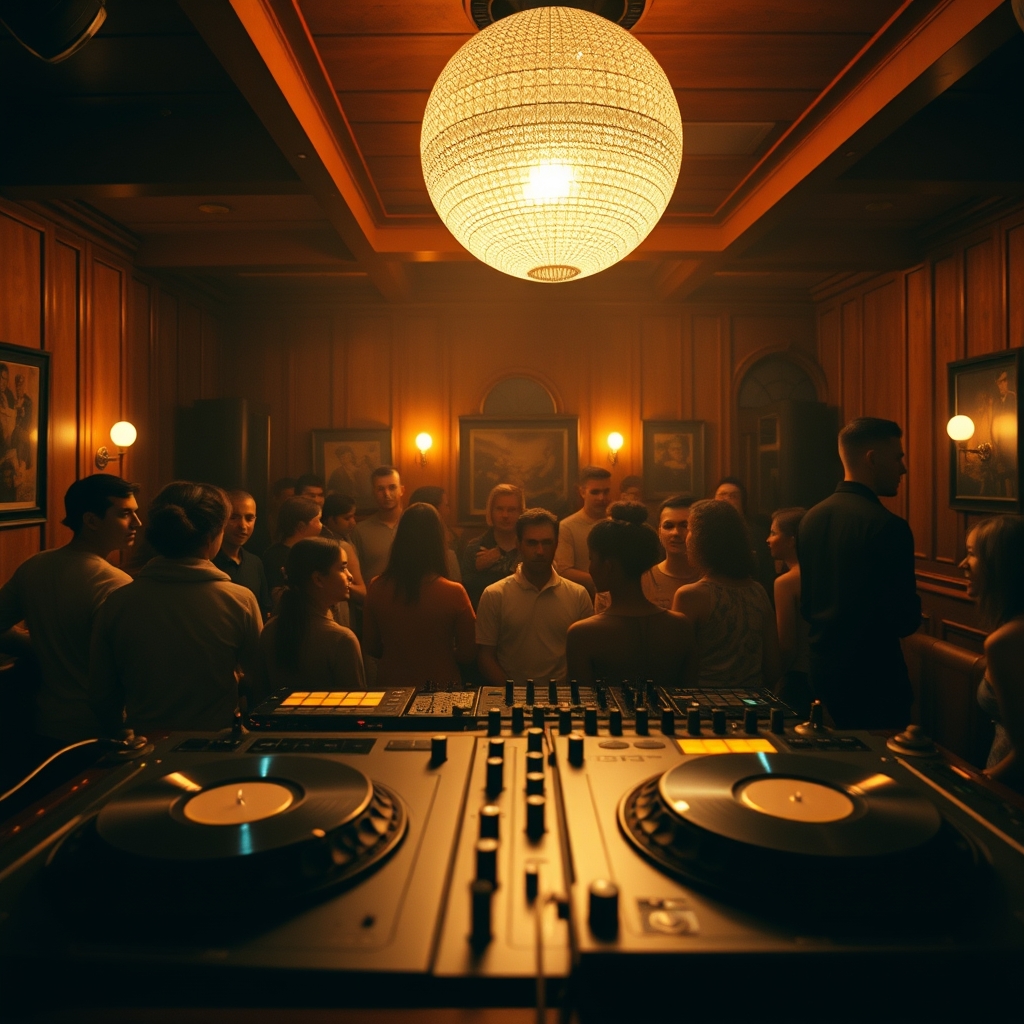
Indie sleaze didn't stay a TikTok aesthetic. It's on the decks now. Electroclash bootlegs, 2010s indie-rock flips, and nu-disco crossovers are showing up in sets that had nothing to do with "indie" a year ago. If you're building out your indie dance DJ crate this month, you're not chasing a fad — you're catching a genre that's actively converting on dancefloors from Ibiza terraces to Brooklyn basements.
The problem: most DJs still think of indie dance as a niche you play for twenty minutes at 1am and then abandon. That's outdated. In 2026 it's a bridge genre — the thing that lets you move from house into disco, from disco into electro, without ever losing the room. This post is about buying the right indie dance DJ pack, understanding where it sits tempo-wise, and mixing it like it's a real tool in your box, not a novelty.
What is the indie sleaze revival, and why does it matter for DJs?
Indie sleaze is the 2000s-into-early-2010s aesthetic — think Justice, Soulwax, early Klaxons, LCD Soundsystem, Uffie — getting a full second life. What started as a fashion and playlist trend has turned into real club programming. Promoters are booking dedicated indie sleaze nights, and producers are reworking that era's guitars-meet-synths energy into tracks built for modern PA systems.
For DJs, the practical upside is that indie dance sits in a friendly, flexible BPM pocket. Most of the genre lives between 120 and 127 BPM, the same zone as disco house, nu-disco, and funky house. That means it slots directly into a set without a tempo fight. You don't need a dedicated "indie hour." You need three or four tracks placed with intent.
Where does indie dance fit in your set?
Think of indie dance as connective tissue, not a destination. It works best in three spots:
- The warm-up-to-peak transition. A filtered, guitar-tinged indie dance edit at 121-123 BPM can bridge a slower disco house opener into a punchier tech house peak without a jarring energy jump.
- The mid-set reset. After a run of heavier peak-time records, a vocal-forward indie dance track gives the room a breather while keeping the tempo up.
- The nostalgia hit. A well-placed electroclash-era bootleg — something the room half-remembers — earns a bigger reaction than a brand-new unknown record, because recognition plus a fresh edit is a proven floor-filler combo.
If you're building this into a working set, start with TOP INDIE DANCE 2026. It's built around exactly this bridge role — tracks that key-match cleanly into disco and funky house without forcing you to reprogram your whole set.
How do you mix indie dance without killing your flow?
The biggest mistake DJs make with this genre is treating it as a genre swap instead of a texture shift. Here's the practical approach:
- Match BPM first, key second. Most indie dance tracks sit in the 120-127 range, which overlaps almost perfectly with disco house and funky house. Pull up your Camelot wheel in Rekordbox or Serato and look for tracks a semitone or a fifth away — not identical keys, which can sound flat when the guitar and synth textures stack.
- Use the intro/outro edit, not the radio edit. Indie dance originals were built for listening, not mixing. A proper DJ edit with a clean intro and outro — extended for beatmatching, trimmed of dead air — is what makes this genre actually usable in a live set instead of just a bedroom playlist.
- Lean on acapella outs for transitions. Vocal-heavy indie tracks mix best when you can isolate the vocal on the way out and lay it over a four-on-the-floor bed underneath. If your pack doesn't include acapella outs, you're stuck doing hard cuts instead of blends.
- Watch your gain staging. Indie dance masters are often louder and more compressed than house records from the same era. Match your levels in Rekordbox before you're live, not while you're mixing.
Building the crossover crate: what to stack alongside indie dance
Indie dance rarely works in isolation. The DJs getting real mileage out of it right now are pairing it with adjacent sounds so the whole set breathes as one arc:
- Disco house for the low end. A track like something off Top Disco House vol.2 or TOP DISCO HOUSE VOL.3 gives you the four-on-the-floor groove indie dance often lacks on its own.
- Funky house for the groove pocket. Top Funky House 2025 fills the gap between a stripped indie edit and a full peak-time record — same tempo range, warmer bassline.
- Electro-tinged mashups for the harder moments. If the room wants more edge, Top Electro house & Mashups 2025 leans into the electroclash side of the revival without losing the tempo you've already established.
- Transition tools to glue it all together. If beatmatching guitar-driven records into four-on-the-floor house isn't second nature yet, TOP DJ TRANSITIONS 2026 gives you pre-built blends so you're not improvising the hardest mixes live.
A quick checklist before you go live with indie dance
Before you drop your first indie dance record in a real set, run through this:
- Confirm the BPM range of your indie dance tracks against the rest of your set — aim for a max 4-6 BPM spread across the transition.
- Check Camelot keys in Rekordbox or Virtual DJ and pre-sort compatible pairs into a playlist.
- Test your acapella outs at home before you rely on them live — vocal timing varies more in indie tracks than in produced house records.
- Load two or three "safety" disco or funky house tracks you can drop instead if the indie dance track reads flat in the room.
- Trim intros so you're not fumbling a 32-bar build-up while the crowd waits.
The real point: buy it right the first time
You don't need to dig through a hundred mediocre rips and half-finished edits to catch this trend early. What you need is a small number of handpicked, high-quality WAV files — properly tagged, key-labeled, with real intro/outro edits and acapella outs — that you can drag, drop, and play tonight.
Indie sleaze isn't going away in 2026. It's becoming a standard part of the open-format DJ's toolkit, the same way disco house and funky house already are. Get ahead of it now, and browse the full crate library while you're at it — because the DJs winning this trend aren't the ones with the biggest folder. They're the ones with the tightest one.