Jungle & Drum and Bass DJ Crates for Sale: The 2026 Breakbeat Revival Download Guide
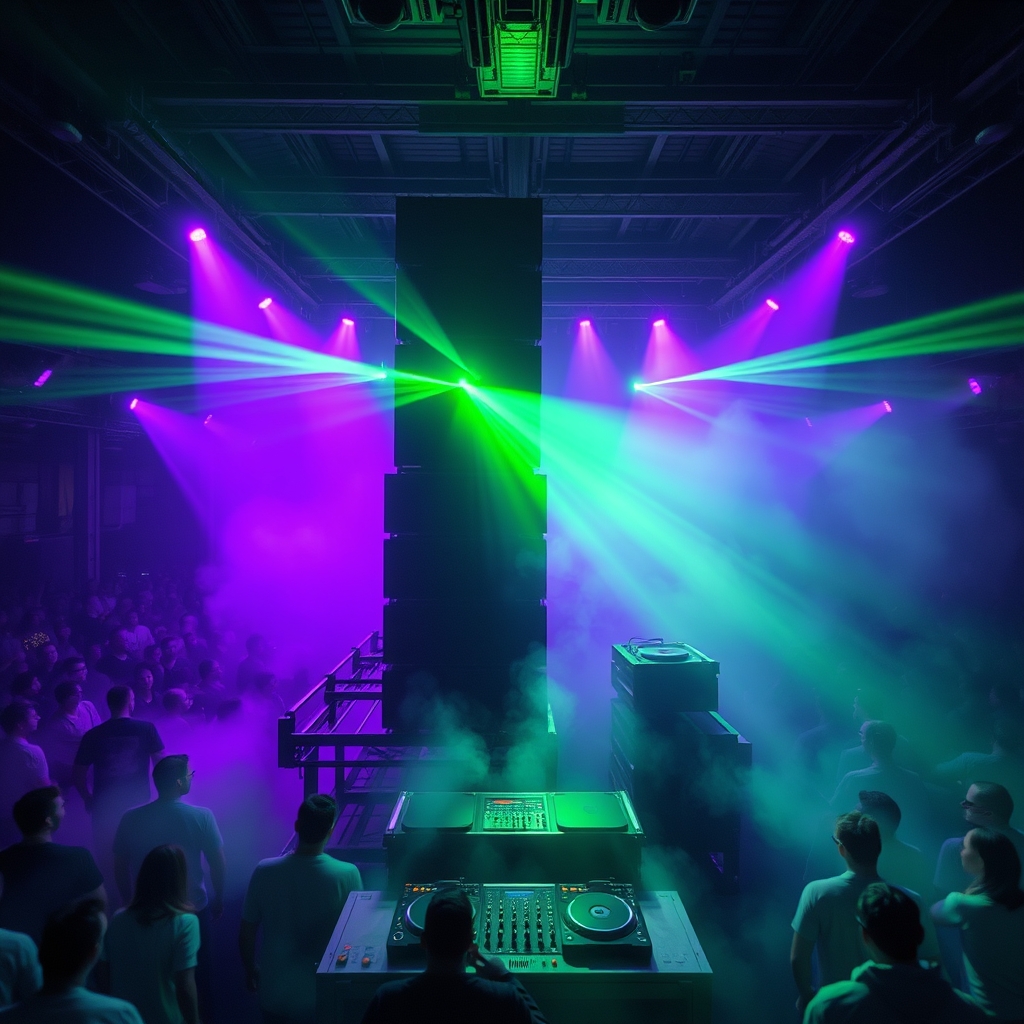
Jungle and DnB just went from underground to headline slot
Nia Archives is playing Boardmasters, Sziget, All Points East, and Lowlands this August. Her album Emotional Junglist pushed alt-jungle into rooms that used to be house-only. Mixmag's 2026 year-end coverage now runs jungle and drum 'n' bass alongside amapiano, UK garage, and techno as a default part of the conversation, not a nostalgia footnote.
That's the signal. Jungle and drum and bass are no longer a specialist-only booking. Open-format and house DJs are getting asked for it mid-set, and most of them don't have a clean way to get there. If your crate stops at 128 BPM, you're going to fumble the moment someone shouts for a breakbeat.
This post is about building a drum and bass DJ pack that actually works inside a normal set — not a standalone jungle DJ mix you play once a month.
Why the 174 BPM wall scares DJs off
The reason most working DJs avoid jungle and DnB isn't taste. It's tempo. Going from a 124–128 BPM house set straight into 174 BPM drum and bass looks like a cliff on paper. Reddit threads and DJ tempo guides all land on the same fix: half-time and double-time pairing. One bar of a track at 87 BPM lines up exactly with two bars at 174 BPM. That's the bridge house DJs already use to get from hip-hop into DnB, and it works just as well coming out of house or amapiano.
Here's the practical route:
- Find your bridge tempo. 87 BPM is the magic number — it's exactly half of 174. Hip-hop, halftime R&B edits, and slowed amapiano cuts all live here.
- Mix into the bridge track from your house or amapiano set the same way you always would — phrase-matched, EQ'd in.
- Let the bridge run a full phrase, then flip your deck's BPM display to half-time or double-time mode so 87 reads as 174.
- Drop the drum and bass track on the breakdown, not the drop. Breaks and atmospheric intros hide tempo doubling far better than a full beat does.
- Ride the energy up, not the tempo — let the DnB track's own build do the work once you're in.
That's the whole trick. No trainwreck, no need to nudge pitch fader by 40%.
What actually belongs in a jungle DJ pack right now
The 2026 jungle revival isn't one sound. Your crate needs range across the subgenres that are actually getting booked:
- Liquid funk — smoothed-out basslines and soulful vocal chops, the easiest on-ramp for a house crowd.
- Jump-up — heavier, more aggressive, built for peak time when the room's already moving.
- Halftime / 174 in disguise — tracks that sit at 87 on the display but hit like full-tempo DnB. Perfect crossover tool.
- Alt-jungle vocal cuts — the Nia Archives lane. Emotional, song-based, radio-friendly enough to not scare a mixed crowd.
- Classic breakbeat edits — Amen break flips and 90s-style jungle rerubs that still move a floor thirty years on.
If your pack only covers one lane, you'll play the same three tracks every time you reach for it. Build across all five and you've actually got a set inside a set.
Camelot keys and acapella outs still matter at 174
Drum and bass gets treated like a tempo-only genre, but harmonic mixing still counts, especially for the liquid and alt-jungle lanes where melody carries the track. Check the Camelot key on every file before you blend two DnB tracks back to back — a clash at that speed is a lot more obvious than at 124 BPM because there's nowhere for it to hide under the low end.
Acapella outs are the other piece people skip. A clean vocal-only tail off a jungle or alt-jungle track gives you a way to bring the energy down without killing the room — drop the acapella over a half-time bridge track, then build back into your next full-tempo cut. It's the same move great open-format DJs use to link genres; it just requires that the acapella actually exists as a stem in your file, not something you're pulling out of a full mix on the fly.
What to check before you buy a drum and bass pack
Not every "jungle pack" floating around is DJ-ready. Before you drop money on one, confirm:
- Every file is WAV, not a compressed MP3 someone re-exported from YouTube.
- BPM is tagged and correct — a mistagged 174 as 87 will wreck your half-time math above.
- Camelot key is included, not just a genre label.
- Intro and outro edits exist — you need mixable space on both ends, not just the arrangement the producer released.
- Acapella-only versions are included for at least the vocal-forward tracks, so you can build your own transitions instead of relying on someone else's edit.
Drag it in, drop it in the set
The jungle and drum and bass revival isn't a trend you need to chase with a whole new setup. You need one solid crate, tagged right, keyed right, ready to sit next to your house and amapiano folders in Rekordbox, Serato, or Virtual DJ. TOP DJ CRATES builds exactly that — handpicked, DJ-ready WAV files with the BPM, Camelot key, and acapella outs already sorted, so when someone asks for a breakbeat mid-set, you drag, drop, and play instead of scrambling through fifteen unlabeled downloads.